Curaçao Cruise Port Guide: Top Things to Do, Beaches & Tips
Some links in this post are affiliate links. If you book through them, I may earn a small commission at no extra cost to you. Thanks for supporting my work!
As an Amazon Associate, I earn from qualifying purchases. Read my full disclosure here.
Curaçao sits in the southern Caribbean, just north of the Venezuelan coast, and forms the well-known ABC trio with Aruba and Bonaire.
I’ve visited Curaçao a couple of times and had the chance to spend time on Mambo Beach, explore Willemstad, and visit the Blue Curaçao factory.
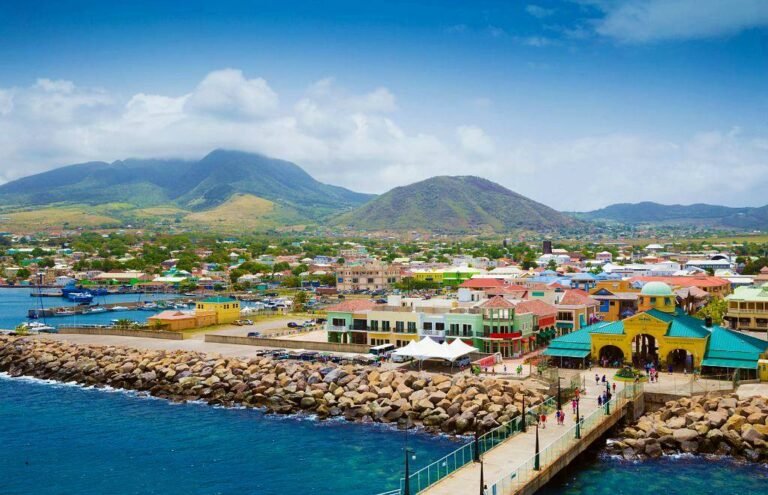
Cruise ships dock close to the city center, so you step off the ship and you’re already within walking distance of shops, cafés, museums, and the famous pastel-painted waterfront.
In this guide, I’ll share how to get around the port, what to expect when you arrive, and the best things to do in Curaçao on a cruise stop, whether you’re here for beaches, island sightseeing, or a few hours exploring Willemstad.
Curaçao Cruise Port Overview
Cruise ships dock in Willemstad, Curaçao’s capital, which is divided into two areas: Otrobanda (“the other side”) and Punda, the historic center.
The two districts sit on opposite sides of St. Anna Bay, connected by the famous Queen Emma Bridge (the floating pedestrian bridge) and the Queen Juliana Bridge (for car traffic).
There are two main cruise terminals: Mega Pier and Mathey Wharf.

⚓ Mega Pier Cruise Terminal
Located in Otrobanda, Mega Pier 1 and Mega Pier 2 handle the largest cruise ships and are the main docking location for major cruise lines.
The terminal is open-air and has the basics you’ll need: a tourist information desk, taxi stand, tour operator booths, restrooms, wheelchair assistance, and ECV rentals.


The city center is about a 10–15 minute walk.
Follow the path toward the Renaissance Curaçao Resort & Casino, where you’ll find shops, cafés, and free Wi-Fi.

Right next to it is Rif Fort Village, a restored 19th-century fort with restaurants, ATMs, boutiques, and stands offering activities such as trolley rides, car rentals, and bike rentals.
From there, it’s less than five minutes on foot to the Queen Emma Bridge, which leads into Punda and the main Willemstad sights.
Buses exist, but they are irregular, and taxis or walking are usually easier for a cruise stop.
⚓Mathey Wharf Terminal
Mathey Wharf is another docking location with four piers, situated along St. Anna Bay near the Queen Juliana Bridge.
This terminal typically hosts smaller ships that can sail under the bridge (56.4 m / 185 ft clearance).

It is about a 5-minute walk from Willemstad’s center and has similar facilities: a tourist information desk, taxi rank, tour booths, souvenir shops, and restrooms.
📷 Watch my YouTube video on the Curaçao cruise port and the best things to do in Willemstad!
Getting Around Curaçao
🚶♀️ On Foot
Willemstad is very walkable. Most attractions in Punda and Otrobanda, like shops, cafés, museums, the floating market, and photo spots, are just a few minutes apart.
If you’re staying close to the port, walking is the easiest option.
🚖 Taxi
Taxis are available right outside the cruise terminals and around town. Prices are usually based on fixed routes, but it’s always smart to confirm the fare before the ride.
A taxi is the fastest way to get to Mambo Beach, Sea Aquarium, or beach clubs if you don’t want to rent a car.
🚗 Rent a Car
If you want the freedom to move around the island, renting a car works very well in Curaçao. Roads are well-marked, parking is simple, and beach hopping (Mambo → Jan Thiel → Kokomo) becomes easy.
👉 Check Curaçao rent-a-car deals and prices
🚤 Shore Excursions
If you prefer an organized day, booking a shore excursion can be the easiest option. You get transportation, a set itinerary, and more time to enjoy the highlights without worrying about schedules.
You’ll find many reliable tours through Viator and GetYourGuide (my favorite options), offering beach days, island sightseeing, snorkeling, or off-road trips.
👉 Explore Curaçao tours and activities on Viator and Get Your Guide
🚌 Public Bus
Public buses run through Willemstad and to major beaches, but schedules are inconsistent. If you’re in port only for a day, they’re not ideal because you can lose valuable time waiting.
Practical Tips for Cruise Visitors
♿ Accessibility
Willemstad and the port area are flat, with wide sidewalks and ramps. Most attractions around Punda and Otrobanda are easy to reach for guests with mobility limitations.
💵 Currency & Payments
The local currency is the Antillean guilder (ANG), but US dollars and credit cards are widely accepted in shops, cafés, taxis, and beach clubs. ATMs are available in town if needed.
🔐 Safety
Tourist areas around the cruise port, Willemstad, and main beaches are safe. Use normal common sense, watch your belongings and avoid deserted areas at night.
🏖️ Nearest Beach
There is no city beach in Willemstad. The closest beach to the cruise terminal is Mambo Beach, about 10–15 minutes by taxi, with restaurants, bars, loungers, and facilities.
☀️ Weather
Curaçao is warm year-round with a dry climate. The ABC islands sit outside the hurricane belt, so rainstorms are rare. Peak cruise season runs from December to mid-April.
📘 Planning a Caribbean Cruise?
Plan your trip with my Caribbean Cruise Port Guide, an all-in-one resource covering 40 ports across the region.
Inside, you’ll find detailed port insights, practical tips for getting around, and the top things to do at every destination — all in one easy guide.


Willemstad: What to See Within Walking Distance
Willemstad is the heart of Curaçao, divided into two districts: Otrobanda and Punda, separated by St. Anna Bay and linked by the famous Queen Emma Bridge.
The city center is a UNESCO World Heritage Site with Dutch-Caribbean architecture, museums, markets, and landmarks, all within easy walking distance of the cruise terminals.
🏰 Rif Fort Village (Otrobanda)
You’ll walk through Rif Fort as soon as you leave the Mega Pier. The 19th-century fort is now a waterfront complex with cafés, restaurants, boutiques, and great views toward Punda and the harbor.
Expect higher prices and crowds, but it’s a convenient first stop for food or a drink.
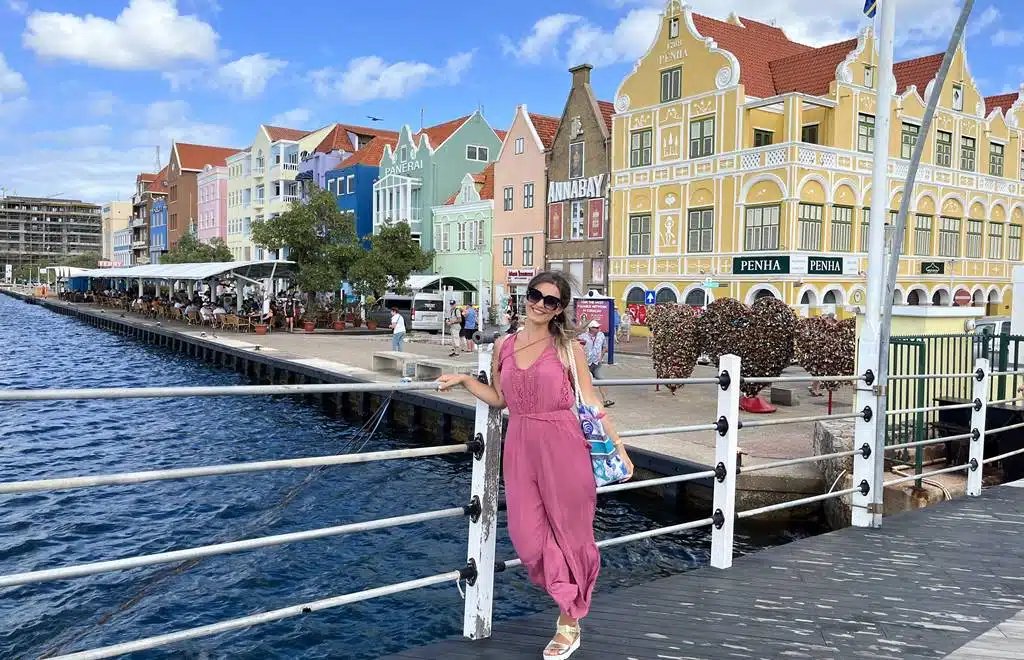
🌉 Queen Emma Bridge “Swinging Old Lady”
This floating pedestrian bridge is Willemstad’s most iconic landmark. It connects Otrobanda and Punda and swings open several times a day to let ships pass.
Crossing it gives you the best photo of the pastel-painted waterfront.

🏘️ Dutch-Caribbean Waterfront
Once you step onto the bridge, you’ll see the colorful Dutch colonial facades that Curaçao is famous for. Many buildings house cafés, jewelry and perfume stores, duty-free shops, and small tour agencies.

🛡️ Fort Amsterdam
Located in Punda, less than a 5-minute walk from the bridge, Fort Amsterdam is a 17th-century fortress and the seat of the Curaçao government.
The courtyard and exterior are open to the public, and the surrounding area is great for photos.
⛪ Fort Church & Museum
Inside the Fort Amsterdam complex sits Curaçao’s oldest Protestant church (1700s). The interior is simple, with a small museum that explains the island’s early Protestant community.
🌳 Queen Wilhelmina Park
Just behind the fort is a shaded park with cafés and two popular photo spots: the large “Curaçao” and “Dushi” signs. It’s a peaceful break from the main streets, especially on hot days.

🛍️ Breedestraat Shopping Street
This pedestrian zone begins immediately after crossing from Otrobanda into Punda.
Here you’ll find duty-free stores, local boutiques, and well-known brands like Penha, Swarovski, Cariloha, Del Sol, and Diamond International.

🕍 Mikvé Israel-Emanuel Synagogue
A short walk from Queen Wilhelmina Park, this 18th-century synagogue is the oldest continuously used synagogue in the Western Hemisphere.
Inside is a sand-covered floor, plus the Jewish Cultural Historical Museum.
🥭 Curaçao Markets (Floating Market / Old Market / New Market)
Within a 5-minute walk from the main street, these markets sit along the canal by Queen Wilhelmina Bridge.
- Floating Market — traditionally supplied by Venezuelan merchants selling fruit and fresh goods.
- Old Market (Plasa Bieu) — rustic local eateries serving Curaçaoan dishes like stobá (stew), goat meat, or fish.
- New Market — vendors with spices, produce, and everyday items.
⚓ Maritime Museum
Across Queen Wilhelmina Bridge, the Maritime Museum showcases Curaçao’s 500-year maritime history.
Exhibits cover trade routes, colonial navigation, and island development. Guided tours include a harbor boat ride if available.
🧭 Explore Willemstad on a Guided Tour
If you prefer a relaxed day, a walking or highlights tour is a great way to see Willemstad’s main landmarks without rushing. Local guides share history, culture, and hidden photo spots you might miss on your own.
👉 Explore Willemstad tours and activities on Viator and GetYourGuide
6 Best Things to Do in Curacao Cruise Port
If you’re visiting Curaçao on a cruise, these are the top places and experiences worth planning your day around.
1. Best Beaches in Curaçao
Curaçao is known for calm, turquoise bays rather than long, windy coastlines.
Most beaches sit on the southwest and west coast, protected from strong currents and perfect for swimming, snorkeling, or a beach day from the cruise port.
Below are the best options for cruise passengers, based on distance, facilities, and easy access.
Mambo Beach (Seaquarium Beach)
Mambo Beach is the closest and most convenient option from the cruise terminal, about a 10–15 minute drive.
The beach has everything in one place: restaurants, lounges, boutiques, beach clubs, sunbed rentals, restrooms, and an aqua park.

Sections vary; some are louder with music and bars, others quieter. There is a small entrance fee to the complex.
Some of the best restaurants in Curaçao are located here, and you’ll find plenty of choices for lunch or cocktails.
This beach is ideal for first-time visitors, families, and cruisers on a short stop.
Jan Thiel Beach
About 20–25 minutes from the port, Jan Thiel is a popular resort-style beach with great facilities: restaurants, pools, sunbeds, water sports, and dive centers.
The water is calm, easy to access, and there’s shade throughout the day. It’s livelier than Mambo and a great option if you want to spend the day in one place without moving around.
It’s ideal for beach clubs, cocktails, groups, and couples.
Blue Bay Beach
About a 15–20 minute drive from the cruise port, Blue Bay is a well-organized beach tucked inside a private resort community.
The water is calm, shallow near the shore, and ideal for swimming.

Facilities include sunbed and umbrella rentals, showers, restrooms, water sports, and a dive shop.
The beach has sandy areas mixed with some rocky sections, and there is shade throughout the day.
Cas Abao Beach
Around a 35–40 minute drive, Cas Abao offers soft sand, rocky edges, and incredibly clear water.
Facilities include chair rentals, restrooms, lockers, a beach bar, and watersports.
There is a small entrance/parking fee, and the road is a bit curvy, but the beach feels like a natural escape away from the city. This beach is perfect for calm water, snorkeling, and nature lovers.
Grote Knip (Kenepa Grandi)
About a 50–55 minute drive from the port, Grote Knip is a postcard beach set in a cliff cove. It’s public and free, with incredible views from the parking area.
Facilities are minimal (chairs/umbrellas and a small kiosk), but the water is shallow and very photogenic.

Tugboat Beach (Caracas Bay)
A 25-minute drive from the cruise port, this rocky cove is famous for the sunken tugboat, an easy snorkel site sitting just a few meters below the surface.
Entry is from shore, and water clarity is usually excellent. There are a couple of rustic snack bars and chair rentals.
It’s great for snorkeling, underwater GoPro shots, and diving.
🌊 Book Curaçao Beach & Water Excursions
If you prefer a planned beach day or want to try snorkeling, boat trips, or a catamaran cruise, you can book in advance and secure your spot, especially when multiple ships are in port.
👉 Browse Curaçao beach and water excursions
2. Blue Curaçao Liqueur Factory (Landhuis Chobolobo)
Just a 10-minute drive from the cruise port, Landhuis Chobolobo is home to the original Curaçao liqueur, produced here since 1896.

The distillery is set inside a restored country house and offers guided tasting tours where you’ll learn how the famous blue liqueur is made, why it comes from bitter laraha oranges, and how different flavors are created.


You can taste several varieties, try cocktails, and shop for bottles to take home.
It’s an easy, time-friendly stop if you want something local and authentic without spending the whole day on the beach.
3. Snorkeling & Diving in Curaçao
Curaçao sits on a fringing reef, which means the island is surrounded by coral from the shoreline down to deeper waters.
The east coast is windier and rough, but the south and west are calm, clear, and full of sea life. If you only have one cruise day, these are the two places that offer the most memorable snorkeling and diving.
Klein Curaçao
A tiny uninhabited island southeast of Curaçao, Klein Curaçao (“Little Curaçao”) is famous for shallow turquoise water, powder-white sand, and turtle encounters.

Hawksbill, green, and loggerhead turtles nest here, so it’s common to see them swimming close to the beach in their natural habitat.
Most day trips include the boat transfer, beach time, snorkeling equipment, and lunch. The ride from Curaçao takes about an hour each way, so this one works best if your ship is in port for a full day.
Caracas Bay & Tugboat Wreck
Only about a 20-minute drive from the cruise terminals, Caracas Bay is part of the Curaçao Marine Park and one of the easiest snorkeling spots to reach.
Here you’ll find the legendary Tugboat wreck, lying in just 5 m (16 ft) of water. You can snorkel right from Tugboat Beach and spend time exploring the reef around it—schools of tropical fish, coral, and the boat itself covered in marine growth.

The area has cafés, beach rentals, and places to relax between swims.
Director’s Bay
Just around the corner from Caracas Bay, Director’s Bay feels more secluded and has some of the richest marine life on the island.
Divers and experienced snorkelers come here for corals, sponges, seahorses, frogfish, eels, and sometimes octopus. There are fewer amenities, so bring water shoes and your own gear if possible.
4. Shete Boka National Park
On Curaçao’s wild north coast, Shete Boka is where powerful Atlantic waves crash into volcanic cliffs and carve deep inlets known as “bokas.”
The park borders Christoffel National Park and sits below the island’s highest peak, Christoffelberg (372 m / 1,220 ft). It’s a different side of Curaçao—raw, windy, and dramatic.
The park is about a 40-minute drive from Willemstad, and easy to visit either by rental car or on a guided tour. Sea turtles nest along this coastline, and several inlets are accessible on foot via marked trails.
Boka Tabla
The most iconic stop. From the cliffside platform, you can watch waves thunder into the rock, or walk down into a small cave where water roars just meters away.

Boka Pistol
A narrow inlet shaped like a cannon barrel. When a big wave hits, it shoots straight up into the air with a loud boom, great for photos and video.
Boka Wandomi
A calmer viewpoint with a natural-bridge formation and rugged shoreline. Less intense, more scenic, and very photogenic.
Tips: Wear sneakers or closed shoes (paths are rocky), bring water and sunscreen, and expect wind and very little shade. There is parking at Boka Tabla, and the viewpoints are close to each other via walking trails.
5. Hato Caves
A short drive north of Willemstad, the Hato Caves are one of Curaçao’s most interesting natural attractions.
Formed from ancient coral limestone that once lay beneath the sea, the cave system is around 300,000 years old.

You’ll walk through chambers filled with stalactites, stalagmites, and formations that look like frozen waterfalls.
Inside, there’s a small freshwater pool, rock carvings believed to be from the Arawak people, and a statue of the Virgin Mary. Several bat species live here, including the long-tongued and long-nosed bat.
Getting there: About 15 minutes by car from the cruise terminals, near Curaçao International Airport. Easily visited by taxi, rental car, or tour.
Good to know: Paths are paved and generally accessible. Wear comfortable shoes and bring water—the caves are warm and humid.
6. Off-Road Curaçao Exploration
If you enjoy adventure, Curaçao’s rugged interior is one of the best places in the Caribbean for it.
The island’s volcanic coast, cactus-covered plains, and desert-style plateaus look completely different from the beaches in Willemstad. An off-road tour lets you reach places you would never see by car or taxi.
You’ll drive through dry landscapes filled with cacti, iguanas, and local wildlife, passing old plantation houses, natural viewpoints, and small villages.

Many tours include stops at viewpoints overlooking the north coast or rural areas like Sint Willibrordus and the Flamingo Sanctuary, where you can often see flocks feeding in the salt flats.
Depending on the tour, you may visit unique spots such as the Curaçao Ostrich Farm, parts of the Christoffel mountain area, or desert plateaus like San Pedro.
The routes are bumpy, dusty, and fun, perfect for travelers who want an active day instead of the beach.
Good to know: Off-road excursions come in different styles—ATV/UTV, open-air safari jeeps, and small-group 4×4 tours. If you have back or knee issues, choose a jeep safari instead of driving your own vehicle.
To Wrap Up
Curaçao has a little bit of everything—colorful Willemstad, postcard-worthy beaches, coral reefs, and wild landscapes on the north coast.
Whether you spend your port day snorkeling, sightseeing, or simply wandering through town, you’ll find something to love here. I hope you enjoy your visit to this beautiful island. 😊
FAQ – Curaçao Cruise Port & Island
❓ Is Curaçao walkable from the cruise port?
Yes. If your ship docks at the Mega Pier or Mathey Wharf, you can walk to downtown Willemstad, Rif Fort Village, Queen Emma Bridge, and most city landmarks.
❓ What currency is used in Curaçao?
The local currency is the Antillean guilder (ANG), but U.S. dollars and credit cards are widely accepted in shops, taxis, restaurants, and beach clubs.
❓ How do I get from the port to Mambo Beach?
Taxi is the easiest and fastest option (about 10–15 minutes). You can also book a beach transfer or shore excursion. Public buses exist but are slow and not ideal for a short cruise stop.
❓ Can I snorkel right from the shore in Curaçao?
Yes. Curaçao is famous for shore snorkeling. Mambo Beach, Blue Bay, Tugboat Beach, and Playa Lagun offer easy access and plenty of marine life.
❓ Is Curaçao safe for cruise visitors?
Yes. Willemstad and the main tourist areas are generally safe. Use common sense: watch your belongings, avoid isolated areas at night, and use official taxis.
❓ Do I need a tour to visit Klein Curaçao?
Yes. Klein Curaçao is accessible only by boat. Most trips include the transfer, beach time, snorkel gear, and lunch.
❓ How far is Curaçao International Airport from the port?
The airport is about 15–20 minutes by car from the cruise terminals, depending on traffic.
❓ What is the best beach for a cruise stop?
For convenience and amenities: Mambo Beach.
For snorkeling and a quieter vibe: Blue Bay or Playa Lagun.
For pristine scenery but a longer time: Cas Abao or Grote Knip.
❓ Where can I find local food near the port?
Rif Fort Village, Punda waterfront, and the Old Market (Plasa Bieu) offer local dishes, seafood, and Caribbean specialties.
Helpful Resources for Planning Your Curaçao Cruise Stop
🌐 Useful Websites
- Find the Mega Ship Cruise Terminal on Google Maps
- Find Mathey Wharf on Google Maps
- Cruise Ship Schedule
- Curacao Port Authority website
- Curacao Tourism Website
- Local Weather Forecast
✨ Other Ports Often Included in Curaçao Itineraries
Many Southern Caribbean and ABC Island cruises pair Curaçao with nearby destinations:
- Aruba – white-sand beaches, nightlife, and water sports.
- Bonaire – world-class snorkeling and shore diving.
- St. Maarten – Dutch–French island with beaches and shopping.
- Martinique & Guadeloupe – European-Caribbean culture, food, and botanical gardens.
- Grenada & St. Vincent – waterfalls, spice markets, and lush rainforest.
- Barbados – historic sites, beaches, and vibrant island life.
- Port of Spain, Trinidad – culture, food, and local markets.
- Cartagena, Colombia – UNESCO Old Town and colonial history.
- Colón, Panama & Puerto Limón, Costa Rica – wildlife, rainforests, and canal viewpoints.
- Grand Cayman – crystal lagoons and Stingray City.
- St. Thomas – duty-free shopping and scenic island viewpoints.
You may also like our cruise port guides to the Mediterranean, Caribbean, Northern Europe, USA & Canada, Middle East, Australia & New Zealand
Adventour Begins contains affiliate links. If you make a purchase through these links, we may earn a commission at no additional cost to you. For more details, please see our Disclosure Policy.