Cartagena Cruise Port Guide (Spain)
Some links in this post are affiliate links. If you book through them, I may earn a small commission at no extra cost to you. Thanks for supporting my work!
As an Amazon Associate, I earn from qualifying purchases. Read my full disclosure here.
Cartagena is a historic port city on Spain’s southeastern coast in the Murcia region.
Cruise ships dock directly beside the old town, which makes this one of the easiest ports in Spain to explore on foot.
The city dates back more than 2,000 years, from its Carthaginian origins to its role as an important Roman naval base.
Today, visitors come for its archaeological sites, harbor views, and compact historic center.
I’ve visited Cartagena on a cruise and found it very easy to explore during a port stop.
In this Cartagena cruise port guide, I’ll explain where ships dock, how to get around, and what you can realistically see during a day in port.
Where Cruise Ships Dock in Cartagena
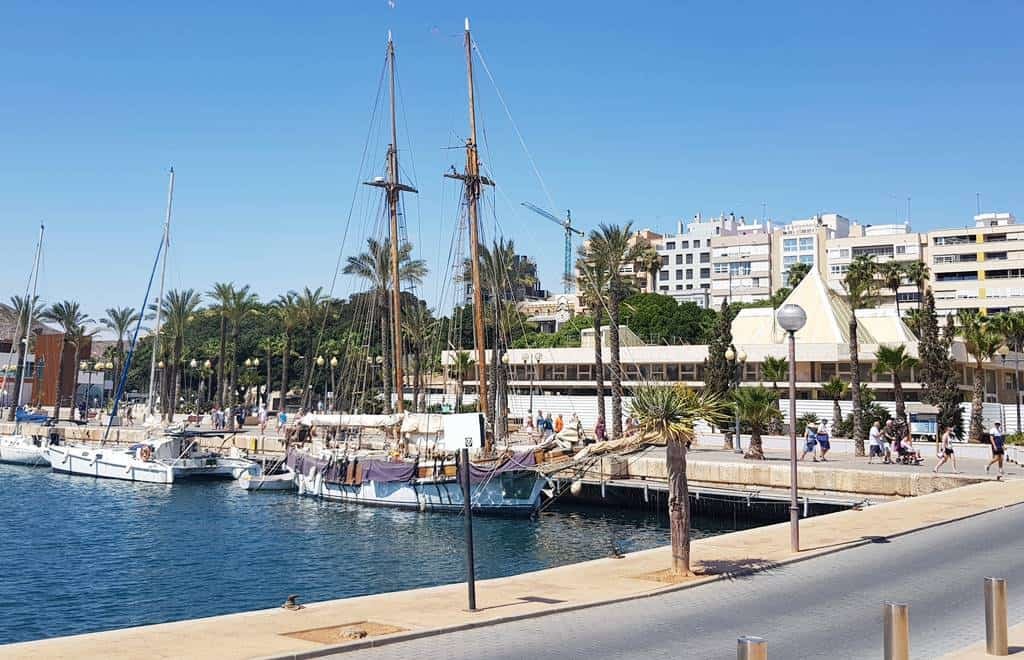
Cruise ships dock at the Cartagena cruise terminal, located directly beside the historic center.
The ships berth along the waterfront promenade Muelle de Alfonso XII, only a short walk from the old town.
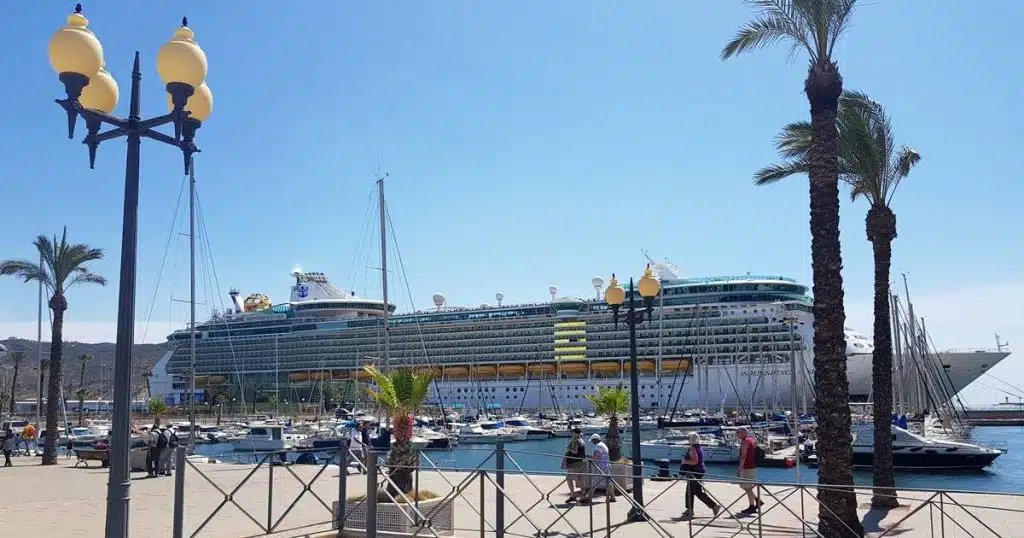
The port usually accommodates one cruise ship at a time, so the arrival area is generally calm and easy to navigate.
After leaving the ship, you’ll find taxis waiting near the pier, a tourist information point, and parking areas for excursion buses.
From the pier, the historic center is about a 5–10 minute walk.
Turn left and follow the harbor promenade along Muelle de Alfonso XII, which leads directly to Plaza del Ayuntamiento, the main square where the pedestrian street Calle Mayor begins.
Can You Explore Cartagena on Your Own?
Yes — Cartagena is very easy to explore independently.
The historic center is close to the cruise pier and the main sights are concentrated within a compact area around the harbor.
Streets are pedestrian-friendly and easy to navigate.
Most cruise visitors simply walk into town and explore the city highlights without needing transportation.
Excursions are usually chosen only if you plan to visit places outside the city, like Murcia.
Getting Around from the Port
Walking
Walking is the easiest way to explore Cartagena.
The old town begins just a few minutes from the cruise pier, and most of the main sights are located within a small area around the harbor and central squares.
Taxis
Taxis usually wait near the cruise pier when ships are in port.
Drivers sometimes offer short sightseeing drives around Cartagena or trips to nearby Murcia.
It’s best to confirm the fare before starting the ride.
Public Buses
Local buses stop along Muelle de Alfonso XII, near the cruise area. They are mainly useful if you plan to travel outside the city center.
Train Station
The Cartagena railway station is about a 20-minute walk from the cruise pier.
Regional trains connect Cartagena with cities such as Murcia and other destinations in southeastern Spain.
You can check Renfe train timetables to see departure times and plan connections.
Hop on Hop off Bus
A hop-on hop-off tourist bus often departs from the harbor area and provides a short overview route around Cartagena’s main landmarks.
Shore Excursions from Cartagena
Many visitors choose guided tours to explore Cartagena’s archaeological sites or take day trips to nearby destinations such as Murcia.
👉 Browse shore excursions on Viator or GetYourGuide — reliable platforms widely used by cruise travelers
🛳️ Planning more Mediterranean ports?
My Mediterranean Cruise Port Guide eBook covers 45 ports with practical tips on getting around, walking routes, shore excursions, and what you can see and do during a cruise stop.
👉 Get the guide here


How Much Time You Need in Cartagena
Cartagena works well for both short and full-day cruise stops because the historic center is so close to the port.
Short stop (4–5 hours)
You can walk the old town, visit one major site such as the Roman Theatre of Cartagena, and enjoy the harbor promenade.
Typical cruise stop (6–8 hours)
This allows time to explore several historic sites, walk through the city center, and visit the hilltop Castillo de la Concepción for harbor views.
Long stop (8+ hours)
You could add a guided tour or take a trip to nearby Murcia before returning to the ship.
What to Do in Cartagena Cruise Port
If it’s your first visit, these are the main things to do in Cartagena on a cruise stop, with most time spent exploring the Old Town and key historic sites on foot.
During my visit, I focused on walking through the city and visiting a few of the main landmarks at a relaxed pace.
Explore Cartagena Old Town on Foot
For many cruise visitors, the simplest plan is to walk through Cartagena’s historic center.
The main pedestrian area begins along Calle Mayor, the city’s central street lined with historic buildings, cafés, and small shops.
From here, several plazas and archaeological sites can be reached within a few minutes.

Cartagena has a long history dating back to the 3rd century BC, when it was founded by the Carthaginians and later developed into an important Roman naval base.
A typical walking route through the old town includes:
• Plaza del Ayuntamiento — the main harbor square
• Calle Mayor — the historic pedestrian street
• several small plazas with cafés and local shops
Allow 1–2 hours for a relaxed walk through the historic center.
👉 Browse Cartagena walking tours and activities
Visit the Roman Theatre
The Roman Theatre of Cartagena is the most famous archaeological site in the city.

Built in the 1st century BC during the reign of Emperor Augustus, the theatre could hold around 6,000 spectators and was once one of the largest public buildings in Roman Cartagena.
The theatre was only rediscovered in 1988 during construction work in the city and has since been carefully restored.
The entrance to the theater is located near Plaza del Ayuntamiento, right at the beginning of Calle Mayor, and visitors enter the site through the Roman Theatre Museum before reaching the theatre.
Allow 45–60 minutes for the museum and theatre.
👉 Check Roman Theatre guided tours available
Visit Concepción Castle for Harbor Views
The hilltop Castillo de la Concepción is one of Cartagena’s most recognizable landmarks.
The castle dates to the 13th century, built after the Christian reconquest of the city on the site of earlier defensive structures.
Today, the small fortress houses a museum explaining Cartagena’s long military history.

Most visitors come mainly for the panoramic views over the harbor and cruise port, which help you understand how the city developed around its natural harbor.
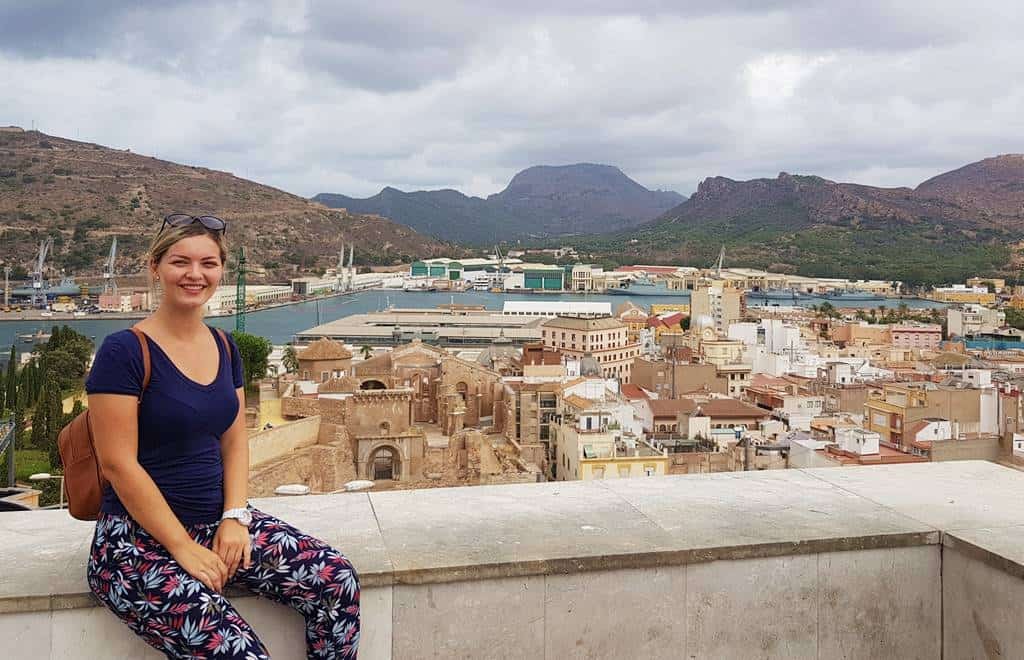

You can reach the castle by walking uphill through the park or by taking the panoramic elevator near Calle Gisbert, which brings you close to the top of the hill.
From there, it’s a short walk to the castle entrance.
Allow 45–60 minutes for the visit.
👉 See Conception Castle tours and tickets
See the Punic Wall Archaeological Site
The Muralla Púnica Interpretation Center preserves part of Cartagena’s original Carthaginian defensive wall.
These fortifications were built in the 3rd century BC during the Second Punic War, when Cartagena was one of the most important military ports of the Carthaginian empire.

The site today is presented through a small museum with multimedia exhibits explaining the early history of the city.
Allow 30–45 minutes for the visit.
👉 Explore Punic Wall tours and activities
Visit the National Museum of Underwater Archaeology
The ARQVA National Museum of Underwater Archaeology sits directly along the harbor near the cruise pier.
This museum focuses on Spain’s maritime history and the archaeological discoveries recovered from shipwrecks in the Mediterranean.
Exhibits include ancient anchors, trade goods, and artifacts recovered from historic vessels.
Because of its location near the port, many cruise visitors stop here before or after walking through the old town.
Allow 45–60 minutes.
👉 Check museum guided tours available
Take a Day Trip to Murcia
Some cruise visitors choose to leave Cartagena and visit Murcia, the capital of the surrounding region.
Murcia sits about 56 km from Cartagena and is known for its historic center and the Cathedral of Murcia, a landmark combining Gothic, Renaissance, and Baroque architecture.

The city also has lively squares and traditional tapas bars, which makes it a pleasant place to spend a few hours walking through the old town.
Murcia can be reached by train or taxi in about 45–60 minutes.
Should You Book a Shore Excursion in Cartagena?
For most cruise visitors, a shore excursion in Cartagena is optional.
The city’s main historic sights are close together and easy to explore independently, which makes it a good port for walking on your own.
Excursions are usually chosen by travelers who want guided historical explanations or plan to visit places outside the city, such as Murcia.
If your ship has a shorter stop, staying in Cartagena itself is often the simplest and most relaxed option.
Practical Tips for Cruise Visitors
- Spain uses the euro (EUR), and credit cards are widely accepted in shops, cafés, and museums in the city center.
- The historic center is compact and mostly pedestrian-friendly, so comfortable walking shoes make exploring much easier.
- Summer cruise visits can be very hot, especially when walking uphill to sites like Castillo de la Concepción, so bringing water and sun protection is recommended.
- Most of the main sights are within walking distance of the cruise pier, but taxis are easy to find near the port if needed.
- The panoramic elevator near Calle Gisbert can help avoid the uphill walk toward the castle area.
- Shopping is very convenient in Cartagena, especially along Calle Mayor and nearby pedestrian streets, where you’ll find Spanish fashion brands, small boutiques, and souvenir shops.
Is It Worth Staying in Town?
Yes — staying in Cartagena works very well during a cruise stop.
The historic center begins just minutes from the cruise pier, and many of the city’s main sights — including the Roman Theatre of Cartagena and Castillo de la Concepción — are easy to reach on foot.
Because the city is compact and rich in history, most cruise visitors find that there is plenty to see without leaving town.
Trips to nearby Murcia can be interesting, but if your stop is limited to a few hours, spending the day exploring Cartagena itself is usually the simplest and most rewarding option.
FAQ
❓ Do cruise ships dock or tender in Cartagena?
Cruise ships dock directly at the pier in Cartagena. Tender boats are not used.
❓ Is Cartagena walkable from the cruise port?
Yes. The historic center begins about a 5–10 minute walk from the cruise pier, making Cartagena one of the easiest Spanish ports to explore on foot.
❓ How much time do you need in Cartagena on a cruise?
Most cruise visitors can see the main sights in 4–6 hours, including the old town and the Roman Theatre of Cartagena.
❓ What is Cartagena known for?
Cartagena is known for its Roman archaeological sites, historic harbor, and compact old town that developed around one of Spain’s most important natural ports.
❓ Can you visit Cartagena without a shore excursion?
Yes. Because the main sights are close to the cruise pier, many visitors explore the city independently.
❓ Is Cartagena worth visiting on a cruise?
Yes. The combination of Roman history, harbor views, and a walkable historic center makes Cartagena a very enjoyable cruise stop.
Helpful Resources
- Cartagena cruise port information — terminal details and visitor guidance
- Cartagena tourism website — attractions, museums, and city maps
- Renfe train timetables for Cartagena station — regional train departures
Ports Often Included with Cartagena
Cartagena is typically visited on Western Mediterranean cruise itineraries that combine several ports along the Spanish coast.
- Barcelona — one of the main embarkation ports in the Mediterranean, often paired with Cartagena on cruises visiting Spain and southern France.
- Valencia — another popular Spanish cruise stop known for its historic center and the modern City of Arts and Sciences.
- Palma de Mallorca — a frequent stop on Balearic Islands itineraries combining Spanish mainland ports.
- Cadiz — an Andalusian port city often included on longer Mediterranean itineraries that explore southern Spain.
- Malaga — another common stop on cruises along Spain’s southern Mediterranean coast.
Planning more cruises? You can browse all my regional cruise port guides here: Mediterranean • Caribbean • Northern Europe • USA & Canada • Australia & New Zealand • Middle East